

Ten Fascinating Facts About the Piano
The piano, a majestic instrument that has resonated through centuries, is a source of wonder for both young and old.
Its history is a tale of innovation, artistry, and evolution. As parents, understanding the captivating journey of the piano can deepen your appreciation for its role in musical heritage. In this article, we delve into ten lesser-known facts that paint a vivid picture of the piano's history, enriching your knowledge and allowing you to share the magic of this instrument with your children.
Ten Fun Facts About the Piano
![CarryOn49_Lifestyle [4K]-thumb](https://4352273.fs1.hubspotusercontent-na1.net/hubfs/4352273/custom-video-thumbnails/CarryOn49_Lifestyle%20%5B4K%5D-thumb.jpeg)
1. Ancient origins of the piano
The piano's lineage traces back to the harpsichord and clavichord in the 17th century. Its inventor, Bartolomeo Cristofori, crafted an instrument capable of nuanced dynamics by allowing players to control volume through key touch—a revolutionary concept that laid the foundation for the modern piano.
2. The etymology of "piano"
The name "piano" is derived from the Italian term "pianoforte," meaning "soft-loud." This name perfectly encapsulates the instrument's unique ability to produce both delicate and powerful sounds, thanks to Cristofori's ingenious hammer mechanism.
3. The evolution of the grand piano
The grand piano, known for its distinctive elegance and resonance, evolved over time. Its design was refined, strings were arranged horizontally, and the iconic lid was introduced to enhance sound projection—a transformation that culminated in the grand pianos we admire today.
4. The popularity of the piano among composers
Throughout history, the piano has enchanted composers like Beethoven, Chopin, and Mozart. Its expressive range captured their imaginations, enabling them to create intricate compositions that showcase the instrument's versatility.
5. The creation of the upright piano
As demand grew for more compact instruments, the upright piano emerged in the 18th century. Innovations in mechanics and design allowed the piano to stand vertically, conserving space without compromising on sound quality.
6. Incorporating pedals for expression
Piano pedals were introduced to enhance expression. The sustain pedal, for instance, sustains notes by lifting the dampers from the strings, creating a resonant effect. The una corda pedal subtly shifts the hammers' striking point, altering the tone.
7. Piano's role in social gatherings
The piano found a cherished place in homes during the 19th century, transforming into a centrepiece for social gatherings. Families would gather around as someone played, fostering a sense of community and shared musical experiences.
8. Piano's impact on education
The piano played a pivotal role in music education. Its intuitive layout and ability to visualize music through notation facilitated music learning, making it an essential instrument for aspiring musicians.
9. Integration of technology: electric and digital pianos
With technological advancements, electric and digital pianos emerged, offering portability, versatility, and the incorporation of modern sound technologies. These innovations expanded access to piano learning for a broader audience.
10. Piano's enduring legacy
As the piano's legacy continues, it remains an instrument of boundless creativity. Its ability to evoke emotions, connect generations, and translate the language of composers makes it an enduring masterpiece of human ingenuity and artistry.
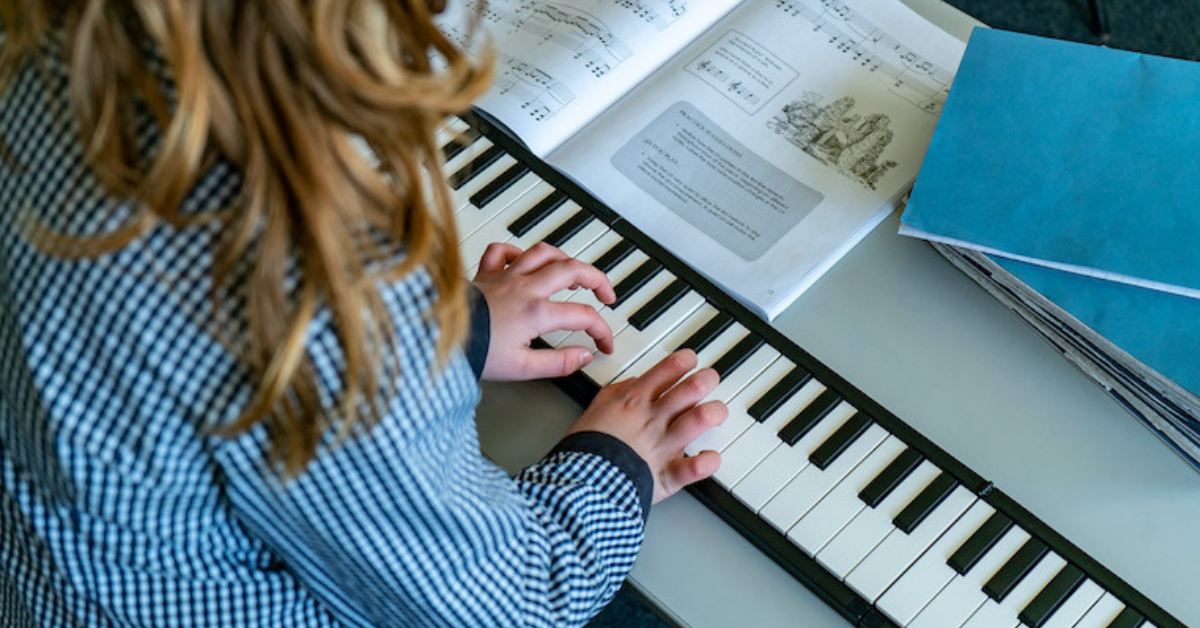
The piano's captivating history weaves a tale of evolution, innovation, and musical excellence. Each key resonates with centuries of artistic progression and cultural significance. By sharing these ten lesser-known facts about the piano's history with your children, you enrich their musical understanding and kindle a fascination that spans generations. The piano's enchanting journey serves as a reminder that music is not merely notes on a page—it's a living, breathing legacy that continues to shape our lives.
