

History of Brass: The Baroque Era
Welcome back to A Brassy History with Grant Golding! In this episode, we're time-travelling to the Baroque period (1600-1750), a golden age for trumpet players. These musicians were the rock stars of their day, highly paid and cloaked in mystery, guarding their techniques like the recipe for Coca-Cola. Read on to find out what to expect (and a link to the video lesson too!)
Secret societies of trumpeters
Becoming a trumpeter was like being initiated into a secret guild. It wasn't just a job; it was almost a birthright, passed down through families or closely guarded within exclusive circles. However, this secrecy eventually led to the decline of trumpet playing towards the end of the Baroque era. But oh, what a time it was!
Jeremiah Clarke's royal fanfare
Grant Golding's chosen piece for focusing on is Jeremiah Clarke's Prince of Denmark's March, a triumphant fanfare that might have welcomed royalty into St. Paul's Cathedral. Imagine those brass notes echoing through the grand halls, a sound so majestic it could make a king pause. This tune still graces royal events and weddings, like Princess Diana's grand entrance.
The Baroque: more than just music
Baroque wasn't just a musical style – it was a cultural phenomenon spanning drama, architecture, dance, and literature. Derived from the Portuguese word "barroco" (meaning a misshapen pearl), the Baroque era was all about elaborate designs. Think Lady Gaga's wardrobe but in architecture, art, and music.
Despite the grandeur, life wasn't a bed of roses. No electricity, outdoor toilets, and candlelight dinners were the norm. The diet was heavy on meat, game, and fish for the rich, while the poor settled for porridge, bread, and weak beer (the go-to drink for purification). And don't get me started on fashion - wigs styled with pig fat and lice-infested hairdos that led to the invention of perfume!
The Dark Side of the Baroque
It wasn't all grand fanfare and fancy wigs. The Baroque period had its share of grim realities, like witch hunts and severe punishments for crimes. The last witch execution in Scotland, for instance, happened in 1727. It was a time of fear and superstition, with a justice system that was anything but just.
Musical geniuses of the Baroque Era
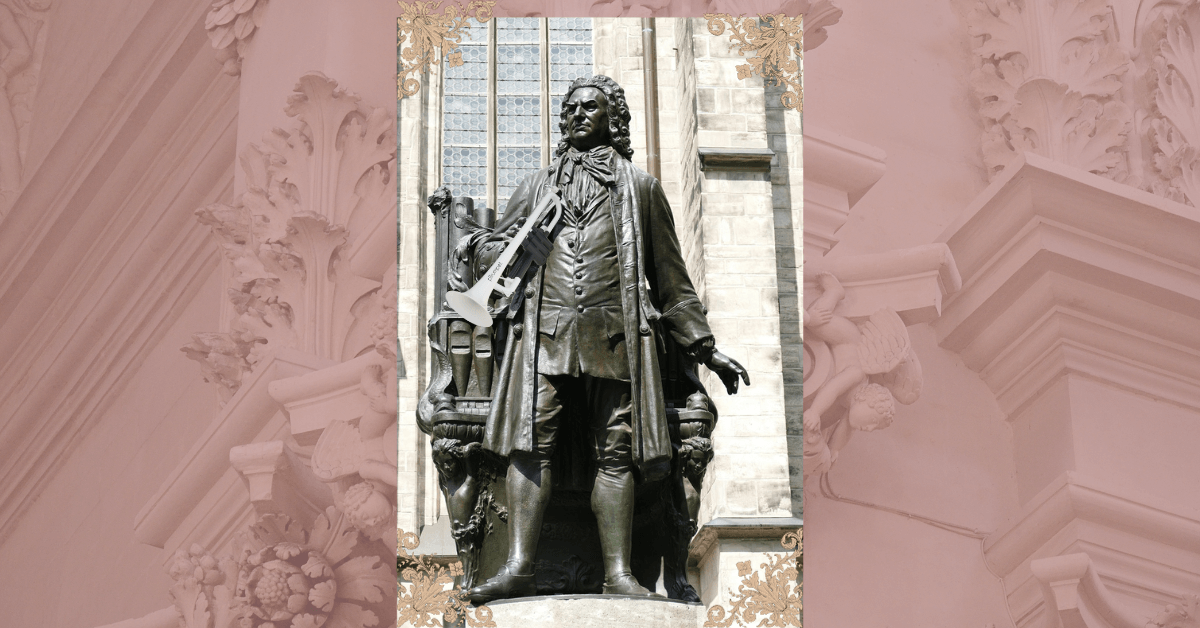
This period saw the rise of musical greats like Johann Sebastian Bach, Antonio Vivaldi, and George Friedrich Handel. Handel, a German transplant in London, was known for his beautiful but understated compositions. He wasn't one for over-the-top performances – in fact, he once dangled a singer out a window to ensure she sang his piece as written!
Trumpets: the challenges of playing high
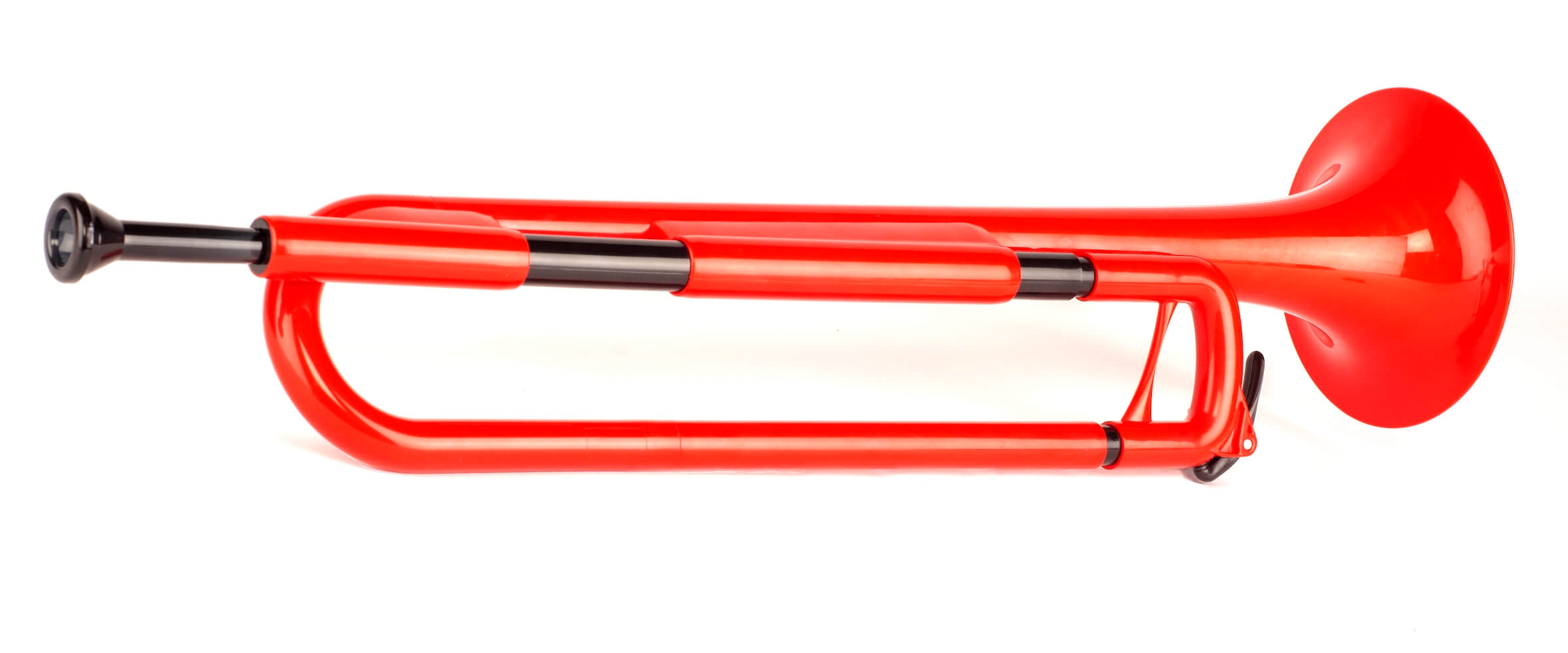
Baroque trumpets had no valves, so players had to rely on the higher harmonics, close together, to play melodies. Think of trying to text with gloves on – challenging but not impossible. The original trumpets were long, similar to today's pBugle, and required players to hit incredibly high notes consistently.
Now that you know what's in store, check out the full Baroque episode of A Brassy History with Grant Golding:
The Baroque legacy
The Baroque period was a time of contrasts – from the heights of musical achievement to the depths of everyday struggles. As we bid farewell to the Baroque and its trumpeting glory, get ready to step into the world of Classical music, where we'll meet the one and only Mozart, a genius with his fair share of quirks.
- Learn everything you need to know about the history of brass with the complete YouTube playlist for A Brassy History!
- Wondering what came before the Baroque? Learn about the Renaissance in the second episode of A Brassy History series.
- Grant Golding has even more free educational resources on his YouTube channel, BrassBlastUK.
